
by Cedar Park Fence & Deck - Repair and Installation | Jun 7, 2026 | Fencing Tips
Fall (October-November) and early spring (March-April) are the best times to install windows throughout the Cedar Park metro area. But the more useful question is “what tradeoffs am I making by installing now versus waiting?” This guide covers...

by Cedar Park Fence & Deck - Repair and Installation | Jun 7, 2026 | Fencing Tips
“Every 2-3 years” and “every 3-5 years” are both correct, but apply to different fences in different conditions. This guide covers the factors that drive your fence’s specific interval, why the first stain matters most, and why letting it...
by Cedar Park Fence & Deck - Repair and Installation | Jun 6, 2026 | Fencing Tips
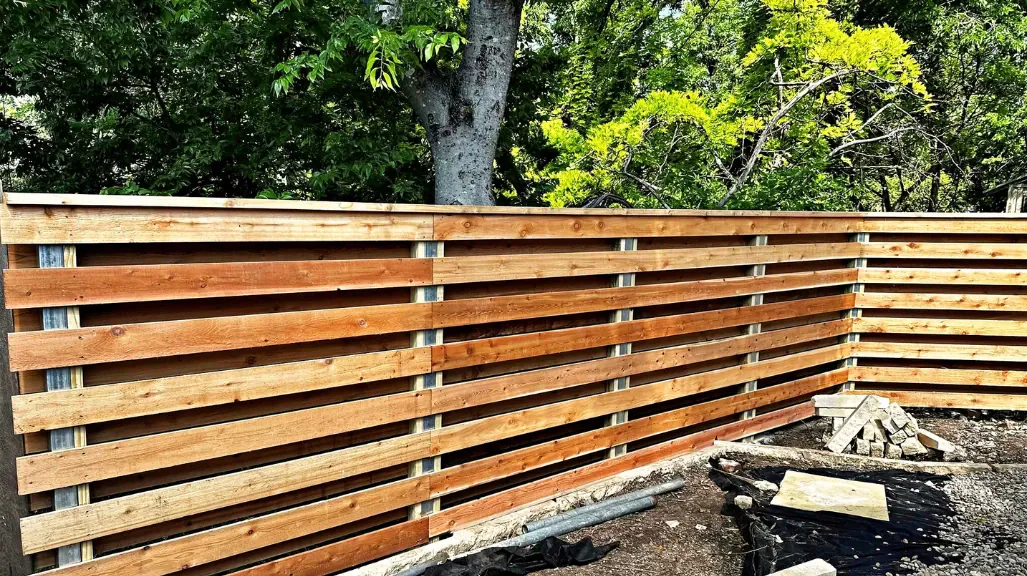
Black gumbo is the dark, sticky clay that turns the eastern Cedar Park metro into a swamp every spring and a cracked desert every August. Properties on it lose fences faster than properties on caliche or sandy loam, mostly because nobody addresses the drainage problem...

by Cedar Park Fence & Deck - Repair and Installation | Jun 6, 2026 | Fencing Tips
Caliche is the rocky layer that turns a routine post-hole job into an all-day project throughout the Cedar Park metro area. Most Texas Hill Country properties hit caliche somewhere between 6 and 24 inches down, and how you handle it determines whether your fence...
by Cedar Park Fence & Deck - Repair and Installation | Jun 5, 2026 | Fencing Tips
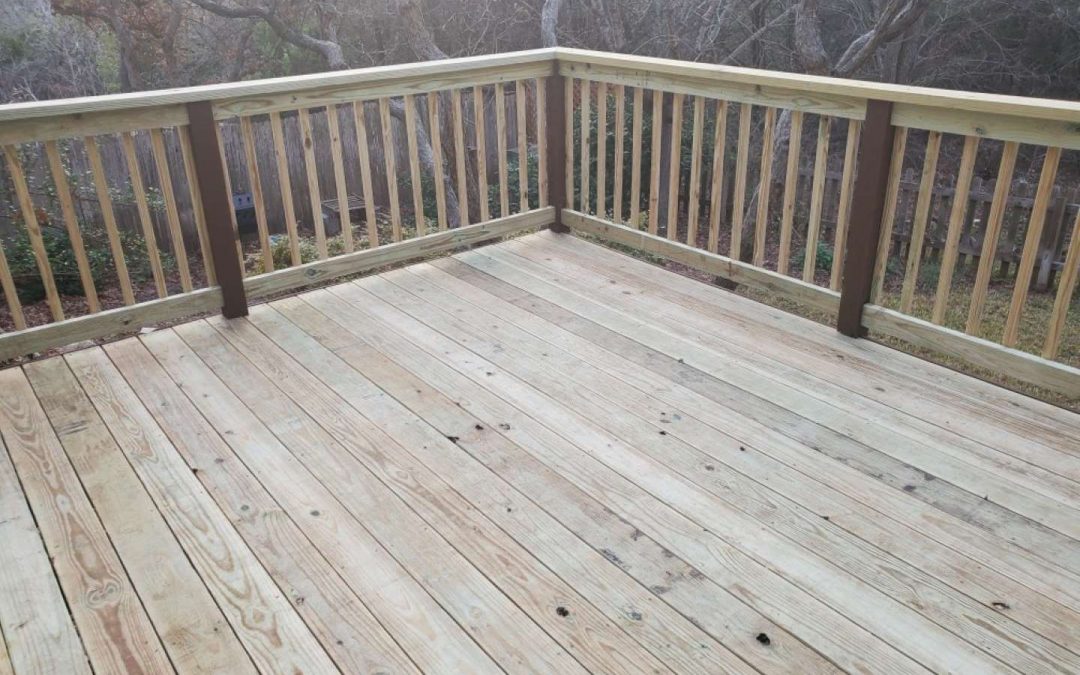
Most fences signal failure years before they actually fail, but changes happen slowly enough that homeowners miss them. This guide covers eight signs and how to tell normal aging apart from real decline. If you’ve already identified problems, see our fence...

by Cedar Park Fence & Deck - Repair and Installation | Jun 4, 2026 | Fencing Tips
The repair-vs-replacement question depends on what’s actually wrong with the fence, how old it is, and what’s on your ownership horizon. Repair makes sense for localized damage on structurally sound fences. Replacement makes sense for systemic failure,...
